Property Assessments Demystified: A Non-Resident Buyer’s Guide to US Home Valuations in 2026
Reading time: 9 minutes
Table of Contents
- Why Property Assessments Matter for Non-Residents
- How the Assessment Process Actually Works
- Unique Challenges Non-Resident Buyers Face
- Case Studies: Real Scenarios, Real Lessons
- Comparing Assessment Practices Across Popular States
- Visualizing the Assessment Gap
- How to Challenge an Unfair Assessment
- Frequently Asked Questions
- Your Assessment Action Plan
Why Property Assessments Matter for Non-Residents
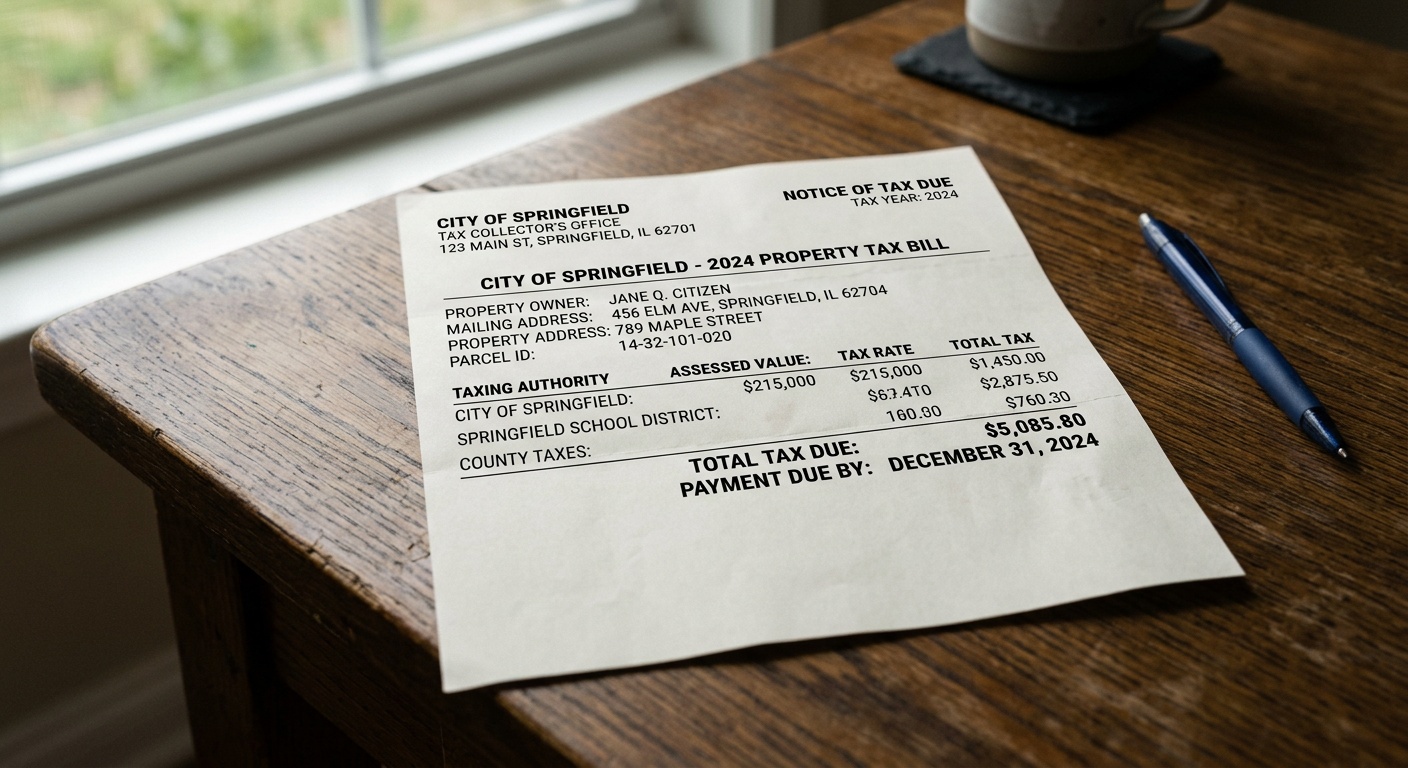
Picture this: you’re a buyer in Toronto, Dubai, or São Paulo who just closed on a condo in Miami. Six months later, a property tax bill arrives that’s nearly double what your real estate agent estimated. Sound stressful? It happens more often than you’d think, and it’s almost always tied to how property assessments work in the United States.
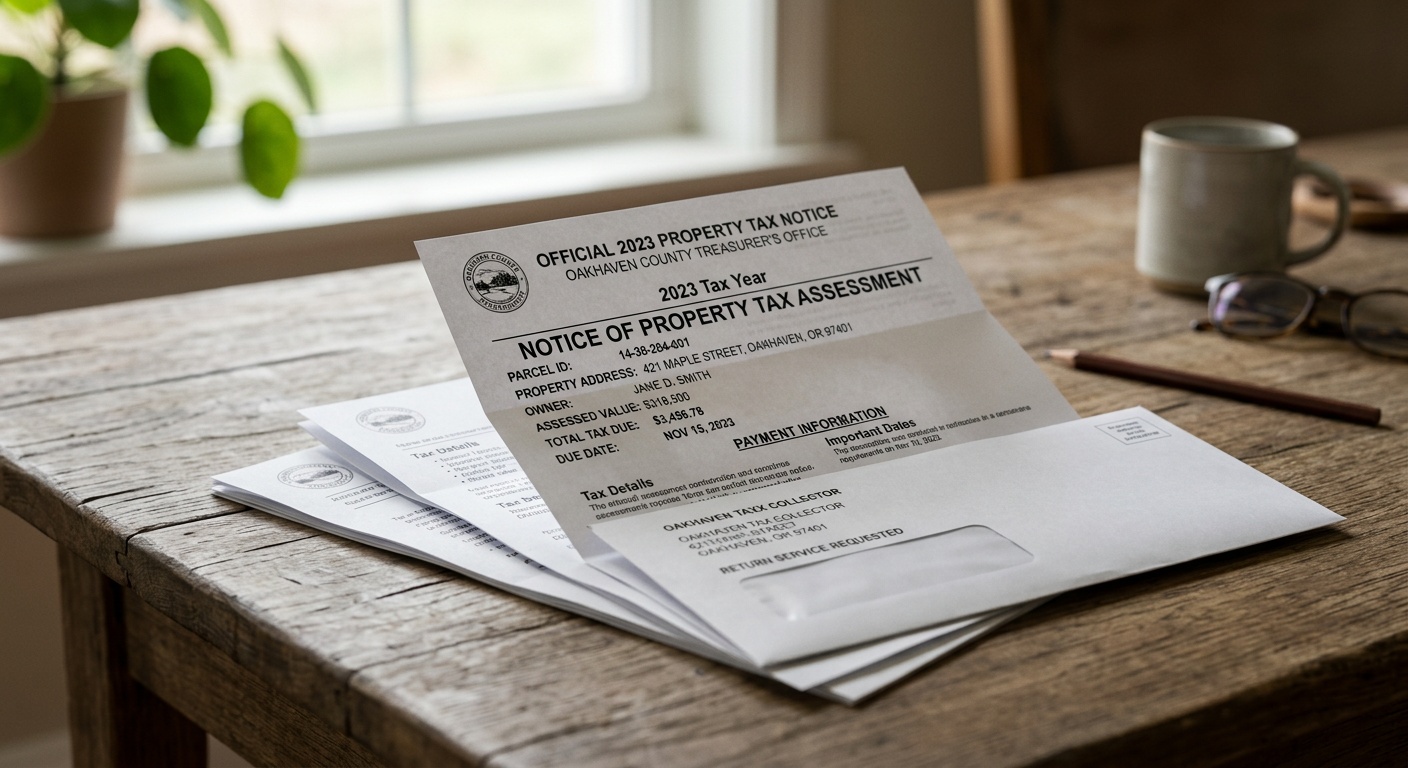
Unlike many countries where property tax is a flat percentage of purchase price, US local governments assign an assessed value to your home—a number that drives your annual tax bill. For non-resident buyers unfamiliar with county assessor offices, homestead exemptions, or reassessment cycles, this system can feel opaque and, frankly, a little unfair.
Here’s the straight talk: understanding assessments isn’t optional if you’re buying US real estate from abroad. It’s the difference between a predictable investment and an expensive surprise.
How the Assessment Process Actually Works
Property assessment is a local government function, meaning there’s no single national standard. Each of the roughly 3,000+ county or municipal assessor offices in the US sets its own valuation schedule, though most follow similar core principles.
Who Assesses Your Property—and When
A county assessor (sometimes called an appraiser) estimates your property’s value using three primary approaches: the sales comparison approach (comparing recent nearby sales), the cost approach (rebuilding cost minus depreciation), and the income approach (used mainly for rental or commercial property). Most residential assessments in 2026 rely heavily on the sales comparison method, especially in hot markets like Austin, Tampa, and Phoenix where non-resident buyers are increasingly active.
Reassessment frequency varies wildly. Some states, like California, reassess primarily at the point of sale under Proposition 13 rules, then cap annual increases at 2%. Others, like Texas and Florida, reassess annually based on market conditions—meaning your tax bill can shift significantly year to year, even without renovations.
Market Value vs. Assessed Value: The Critical Gap
Here’s where confusion often sets in. Market value is what a buyer would pay today; assessed value is a percentage of that figure used strictly for taxation. In many jurisdictions, the assessed value is 80-100% of market value, but in others—like parts of New York State—it can be as low as 6%, offset by a much higher tax rate. According to the Lincoln Institute of Land Policy’s 2025 report on property taxation, effective tax rates on a median-value home ranged from 0.28% in Hawaii to 2.23% in New Jersey, a gap that catches many international buyers off guard.
Unique Challenges Non-Resident Buyers Face
Non-resident buyers encounter friction points that domestic buyers rarely think about:
- No homestead exemption: Most states reserve homestead exemptions—which can shave 10-50% off assessed value—for primary residents. If you’re not living in the home full-time, you likely won’t qualify.
- Higher effective tax burden: Because non-residents typically buy second homes or investment properties, they miss out on exemptions that lower a neighbor’s bill, even on an identical unit.
- Delayed notices: Assessment notices and appeal deadlines are mailed to the property address or a US-based agent. If you’re overseas without a reliable mail-forwarding system, you can miss a 30-45 day appeal window entirely.
- Currency and financing complexity: A rising assessed value doesn’t just affect taxes—it can also affect loan-to-value calculations if you’re financing through a US lender that requires local escrow accounts for taxes.
Real estate attorney Maria Chen, who works with international clients in Florida, puts it bluntly: “The biggest mistake non-resident buyers make isn’t overpaying for the home—it’s assuming the first tax bill is the only tax bill. Assessments move, and if you’re not watching, you’ll get blindsided every renewal cycle.”
Case Studies: Real Scenarios, Real Lessons
Let’s ground this in real scenarios.
Case 1: The Miami Condo Surprise. A Brazilian investor purchased a $650,000 condo in early 2025. The prior owner had a homestead exemption capping assessed value at $410,000. Once the sale closed, the exemption vanished, and the county reassessed at full market value. The buyer’s 2026 tax bill jumped by nearly 38% compared to what the listing agent had quoted—because that quote reflected the seller’s exemption-adjusted bill, not the buyer’s future reality.
Case 2: The California Cap Advantage. A UK-based buyer purchasing a $1.2 million home in San Diego benefited from Proposition 13’s reassessment-at-sale rule. Their assessed value was locked at purchase price with annual increases capped at 2%, giving them unusually predictable long-term tax planning—something they wouldn’t have gotten in a state like Illinois, where reassessments are more frequent and volatile.
Case 3: The Missed Appeal Window. A Singaporean buyer who purchased a rental property in Phoenix in 2025 didn’t update the mailing address for tax notices. The county mailed an assessment increase notice to the property itself, which sat vacant between tenants. By the time the buyer’s property manager forwarded it, the 30-day appeal deadline had passed—locking in a higher valuation for the entire tax year.
Comparing Assessment Practices Across Popular States
Non-resident buyers gravitate toward a handful of states—Florida, Texas, California, Arizona, and New York—for lifestyle, investment, or visa-related reasons. Here’s how their assessment systems stack up:
| State | Reassessment Frequency | Avg. Effective Tax Rate (2026) | Homestead Exemption Available? | Appeal Window |
|---|---|---|---|---|
| Florida | Annual | 0.86% | Residents only | 25 days from notice |
| Texas | Annual | 1.68% | Residents only | 30 days from notice |
| California | At sale, capped 2%/yr | 0.75% | Residents only (partial) | 60 days from notice |
| Arizona | Annual | 0.62% | Limited, residents only | 60 days from notice |
| New York | Varies by locality | 1.72% | Residents only (STAR program) | Varies, often 45 days |
Visualizing the Assessment Gap
To illustrate how effective tax rates vary, here’s a simplified comparison of the average effective property tax rate by state, based on the table above.
How to Challenge an Unfair Assessment
If your assessed value seems inflated relative to comparable sales, you have the right to appeal—regardless of residency status. The process typically follows these steps:
- Request the property record card. This document shows exactly how the assessor calculated your value, including square footage, condition ratings, and comparable sales used.
- Gather your own comparables. Pull three to five recent, similar sales within a half-mile radius. Appraisal apps and county GIS portals make this easier than ever in 2026.
- File within the deadline. Set a calendar reminder well before the 25-60 day window closes. Many counties now allow online filing, which is a lifeline for overseas owners.
- Consider a local tax representative. Property tax consultants who work on contingency (typically 25-50% of first-year savings) can handle the entire appeal remotely, which is often worth it for non-residents who can’t attend hearings.
Pro Tip: Even a modest 10% reduction in assessed value on a $700,000 property can save $1,000-$2,000 annually depending on your local tax rate—money that compounds meaningfully over a 10-year hold period.
Frequently Asked Questions
Do non-resident buyers pay higher property taxes than US citizens?
Not directly—tax rates apply equally regardless of citizenship. However, non-residents often pay effectively more because they rarely qualify for homestead exemptions, tax caps, or senior/veteran reductions that lower bills for primary residents.
Can I appeal my property assessment from outside the US?
Yes. Most counties now accept appeals via online portals, mail, or through a designated local representative with power of attorney. You generally don’t need to be physically present for the initial filing, though some hearings may require a representative if you can’t attend virtually.
Will my assessed value automatically match my purchase price?
Not necessarily. Some states, like California, reassess to purchase price immediately, while others, like Florida and Texas, apply market-based formulas that may land above or below what you actually paid. Always request a preliminary assessment estimate before closing.
Your Assessment Action Plan
Buying US property as a non-resident doesn’t have to mean flying blind on taxes. Here’s your practical checklist for 2026 and beyond:
- Before closing: Ask the title company or agent for the current assessed value and confirm whether any seller exemptions will disappear at transfer.
- At closing: Update the mailing address for all tax notices to a US-based property manager, attorney, or mail-forwarding service—never leave it at the vacant property.
- Within 90 days: Set calendar alerts for your county’s specific appeal deadline, which varies from 25 to 60 days after notices are mailed.
- Every renewal cycle: Compare your new assessed value against three recent comparable sales to catch inflated increases early.
- Long-term: Factor rising assessments into your holding cost projections, especially in fast-appreciating markets where annual reassessments are common.
As international investment continues flowing into US real estate—foreign buyers purchased an estimated $54 billion in US residential property in the year ending March 2025, according to National Association of Realtors data—understanding local assessment mechanics is becoming as essential as understanding mortgage rates or visa rules.
So, before your next US property closing, ask yourself: do you actually know how your future tax bill will be calculated, or are you just trusting the listing sheet? The buyers who ask that question early are the ones who avoid expensive surprises later.